The Sterling Strategy: Unmasking 2026 Ethical Sales and the Illusions of Conscious Consumption
Editor Rating
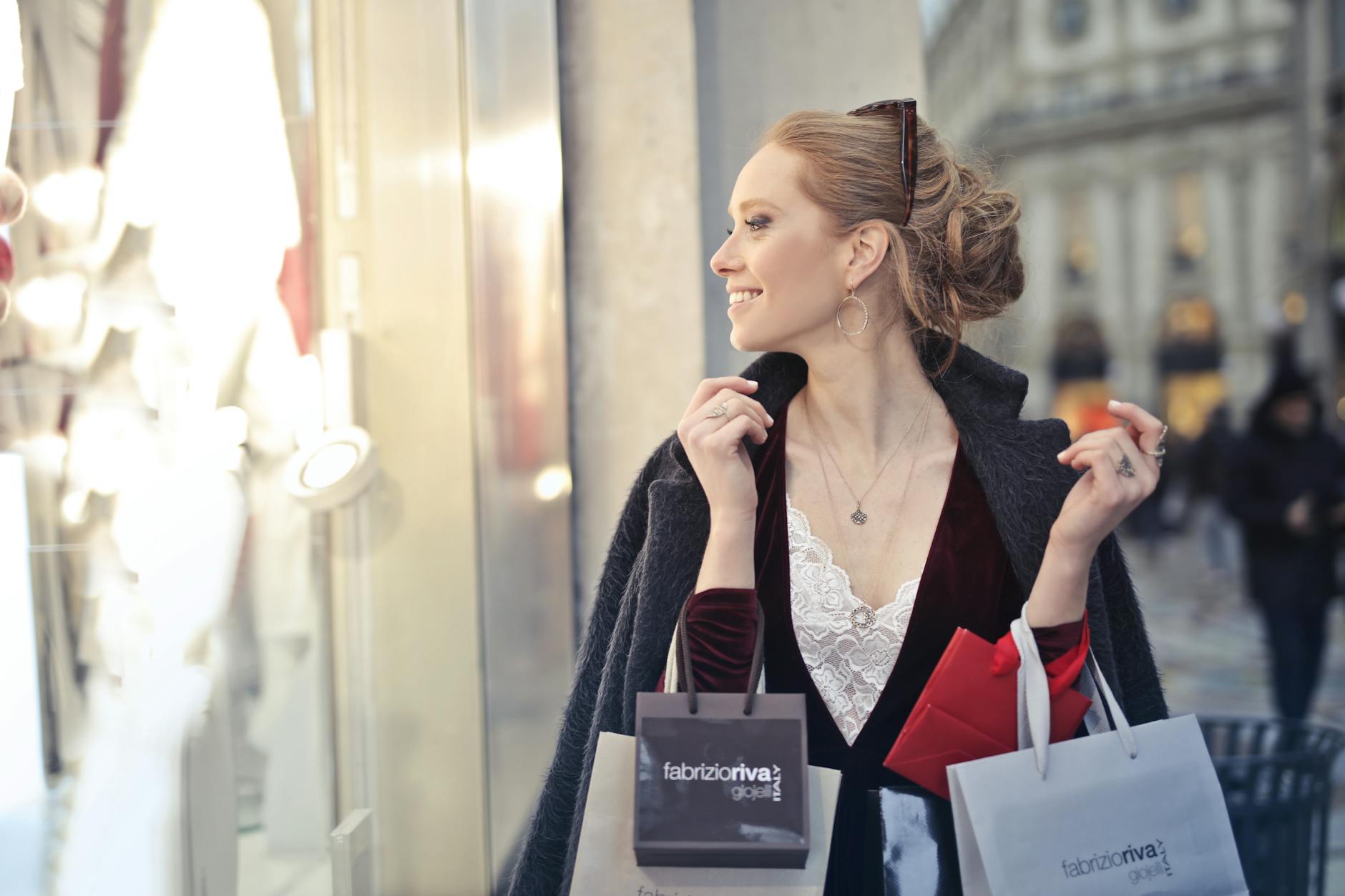
Welcome, discerning connoisseurs of conscious luxury, to an essential exploration of 2026's ethical fashion landscape. As Victoria Sterling for Women Shopping, I've observed a pervasive misunderstanding surrounding what truly constitutes an 'ethical sale' – often a phrase co-opted for clever marketing rather than genuine value or sustainability. This year, the stakes are higher; our choices impact not only our personal aesthetics but also the global ecosystem and the integrity of labor practices. It's time to cut through the noise, debunk prevalent myths, and arm ourselves with an analytical strategy that ensures every acquisition is a testament to genuine value, longevity, and unwavering ethical principles.
The allure of a substantial discount on a purportedly ethical garment is, for many, irresistible. However, the notion of an 'ethical fire sale' often masks a deeper truth: truly sustainable and ethically produced items inherently carry a cost reflecting fair wages, quality materials, and responsible manufacturing processes. A drastic markdown can sometimes signal overproduction, a brand struggling with inventory, or even a strategic disposal of less successful lines, rather than a benevolent act of sustainability. The discerning consumer understands that true ethical value isn't found in precipitous drops in price, but in the enduring quality, timeless design, and transparent supply chain of the piece itself. Our focus must shift from the percentage off to the inherent worth and the journey of the garment.
Beyond the Buzzwords: Identifying Genuinely Sustainable Savings
In 2026, the marketplace is awash with brands clamoring to align with 'ethical' and 'sustainable' narratives. Yet, genuine transparency remains a hallmark of true commitment. When evaluating sales, look beyond superficial claims of 'eco-friendly' or 'conscious.' Dive into the brand's supply chain disclosures, certifications (like GOTS, Fair Trade, B Corp), and their end-of-life garment initiatives. A truly ethical brand will not only produce responsibly but will also offer insight into their pricing structure, ensuring that even a discounted item still respects the artisans and materials involved. Sustainable savings aren't merely about personal financial gain; they are about acquiring pieces from brands that embody ethical integrity from conception to consumer, thereby extending the garment's lifecycle and reducing environmental impact.
Related Read:
Essential Shopping Guides Tips You Need to Know
Strategic Acquisition: Curating Your 2026 Ethical Wardrobe Investment
A sophisticated sale strategy for ethical clothing in 2026 involves precision, not impulse. Begin by identifying gaps in your existing wardrobe that can be filled by high-quality, enduring pieces. Prioritize versatile classics that transcend fleeting trends. When a reputable ethical brand offers a considered discount – perhaps on seasonal transitions or during specific promotional periods – it presents an opportunity for strategic investment. This isn't about accumulating; it's about curating. Each addition should elevate your personal style, promise years of wear, and contribute to a wardrobe that reflects both your values and your refined aesthetic. Remember, the true cost-per-wear of a well-made ethical garment far outweighs that of a fast-fashion alternative, even if the initial outlay is higher.
The Long Game: Why True Ethical Value Transcends a Discount Tag
Ultimately, the most profound insight into ethical clothing sales is understanding that genuine value is not primarily tied to a discounted price tag. It is woven into the very fabric of the garment – its provenance, its craftsmanship, its environmental footprint, and its social impact. An investment in an ethical piece, even at full price, is often a more astute financial and moral decision than a 'bargain' from a less transparent source. However, by employing a keen, analytical eye, and leveraging the genuine sales moments offered by truly ethical brands, you can build a wardrobe that is both luxurious and conscientious, reflecting a commitment to quality that extends far beyond any single shopping season. This is the Sterling Standard for 2026: mindful consumption, maximized value, and undeniable style.
| Focus/Style | Ideal For | Estimated Price | Editor's Rating |
|---|---|---|---|
| Organic Cotton Staples | Everyday luxury, foundational pieces | $75 - $350 | 9.2/10 |
| Responsibly Sourced Cashmere | Investment knitwear, warmth & softness | $400 - $1,200 | 9.8/10 |
| Vegan Leather Accessories | Ethical handbags, footwear alternatives | $300 - $900 | 9.5/10 |
| Upcycled & Recycled Denim | Sustainable streetwear, unique cuts | $200 - $550 | 9.0/10 |
| Artisan Crafted Outerwear | Statement pieces, ethical cultural support | $800 - $2,500+ | 9.6/10 |
The 2026 Essential Edit: Top Vetted Picks
- 1. Stella McCartney Falabella Fold Over Tote
The Value Proposition: Iconic design, vegan, and a pioneer in sustainable luxury.This acclaimed tote, crafted from cruelty-free materials and demonstrating Stella McCartney's unwavering commitment to ethical innovation, represents a financially astute and morally sound investment. Its enduring style and robust construction ensure it remains a perennial favorite, offering a superior cost-per-wear compared to conventional luxury alternatives. Acquiring this piece, even during a strategic brand promotion, enhances a conscious wardrobe with a verifiable statement of ethical elegance. - 2. Eileen Fisher Organic Linen Wide-Leg Pant
The Value Proposition: Timeless versatility, superior organic materials.Eileen Fisher is renowned for its commitment to ethical production and high-quality, sustainable fabrics. These organic linen pants offer unparalleled comfort, breathability, and a sophisticated silhouette that integrates seamlessly into any discerning wardrobe. While an investment, their durability, and timeless appeal mean they will be worn season after season, making them a far more economical and responsible choice than transient, fast-fashion alternatives.
Frequently Asked Questions by Discerning Shoppers
How can I distinguish a truly ethical sale from greenwashing tactics?Look for transparency in supply chains, third-party certifications (e.g., Fair Trade, GOTS), and detailed information on material sourcing and labor practices. Genuine ethical brands use sales to clear seasonal stock responsibly, not to offload unsaleable, unethically produced items. Be wary of vague terms without concrete evidence.
Are 'last chance' ethical sales genuinely beneficial, or merely a marketing tactic?While some 'last chance' sales are legitimate attempts to reduce waste by moving remaining inventory of quality items, others can be a tactic. Scrutinize the actual product, its original pricing, and the brand's overall commitment to sustainability. A 'last chance' item from a truly ethical brand can be a smart acquisition if it fills a genuine wardrobe need.
What criteria should I use to ensure a discounted ethical piece is a true investment?Assess the garment's fabric quality (e.g., natural fibers, recycled materials), construction, timelessness of design, and versatility for your existing wardrobe. A true investment piece, even discounted, should promise longevity, align with your personal style, and come from a brand with verifiable ethical and sustainable practices.
Ready to elevate your lifestyle?
Explore our ultimate Shopping Guides editsCredits: The Women Shopping Editorial Team, Senior Editor Victoria Sterling (Reviewed by Editor-in-Chief David Jeon)


