The Provenance of Conscience: A Strategic Acquiring Guide to Ethical Craftsmanship in 2026
Editor Rating
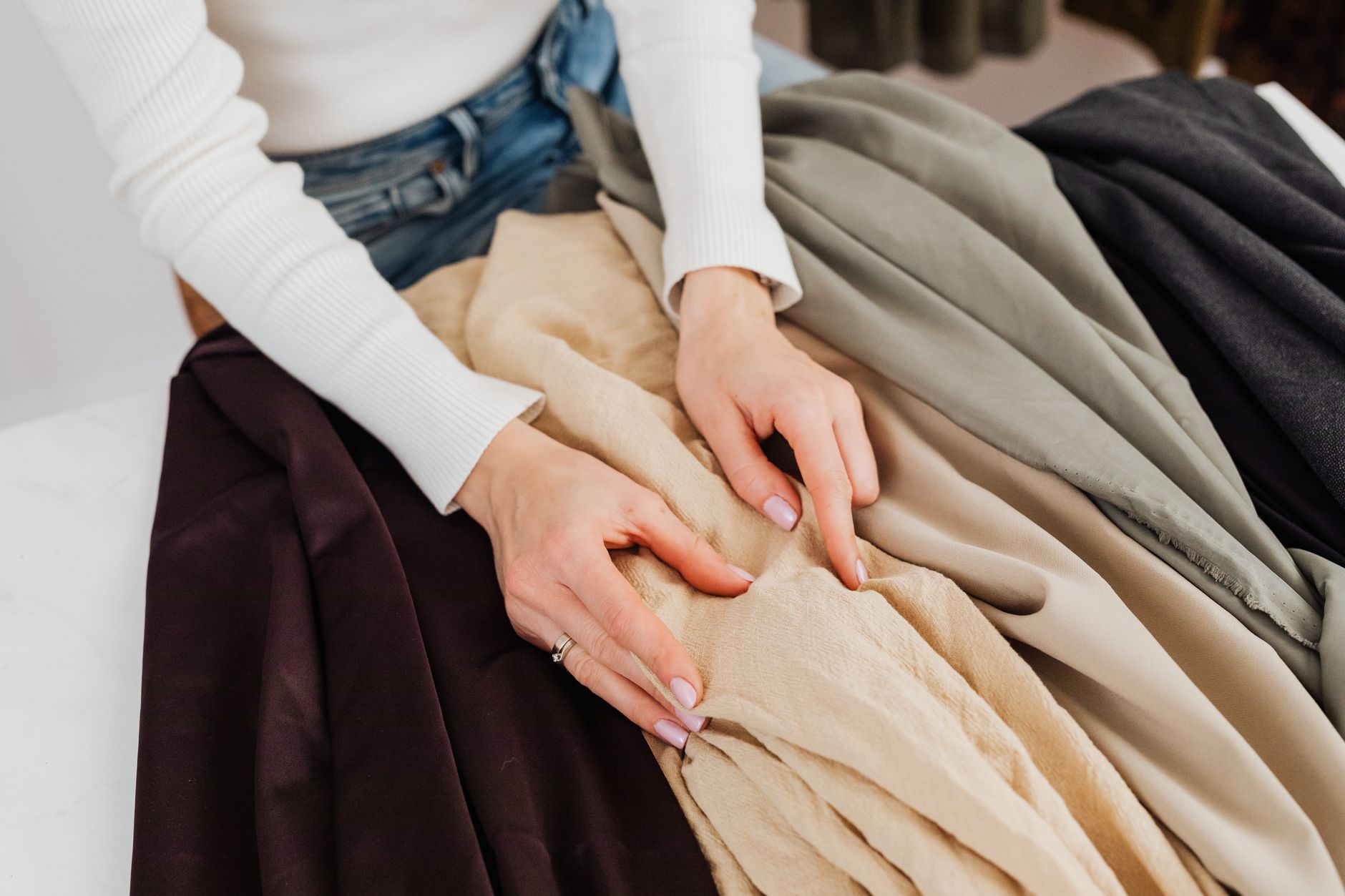
The contemporary luxury landscape is undergoing a profound metamorphosis, driven by an imperative for transparency and a return to intrinsic value. In 2026, the discerning consumer navigates beyond fleeting trends, seeking garments that whisper tales of provenance, meticulous creation, and a conscious commitment to the planet. As Victoria Sterling, I observe that the 'ethical clothing brand' is no longer a niche, but a testament to a revitalized ethos of investment buying. This guide is designed for the astute collector, offering an analytical framework to identify and strategically acquire pieces that are not merely fashionable, but foundational.
The foundation of truly ethical clothing lies in the very fibers from which it is spun. In 2026, scientific innovation in sustainable textiles has reached unprecedented sophistication. We are witnessing the rise of regenerative agriculture for cotton and wool, where farming practices actively restore soil health and biodiversity. Think beyond 'organic' to 'regenerative organic,' a methodology that sequesters carbon and enhances ecosystem resilience. Similarly, advancements in lab-grown silks, bio-engineered leather alternatives from mycelium or fruit waste, and closed-loop cellulose fibers like Tencel™ Luxe are redefining luxury. These materials are not only environmentally superior but often offer enhanced durability, breathability, and drape, reflecting a scientific pursuit of excellence that echoes classic haute couture standards. Understanding this material science is paramount to a judicious sale strategy, as these innovations often justify a premium, yet promise exceptional longevity.
Threads of Time: The Enduring Legacy of Artisanal Craftsmanship
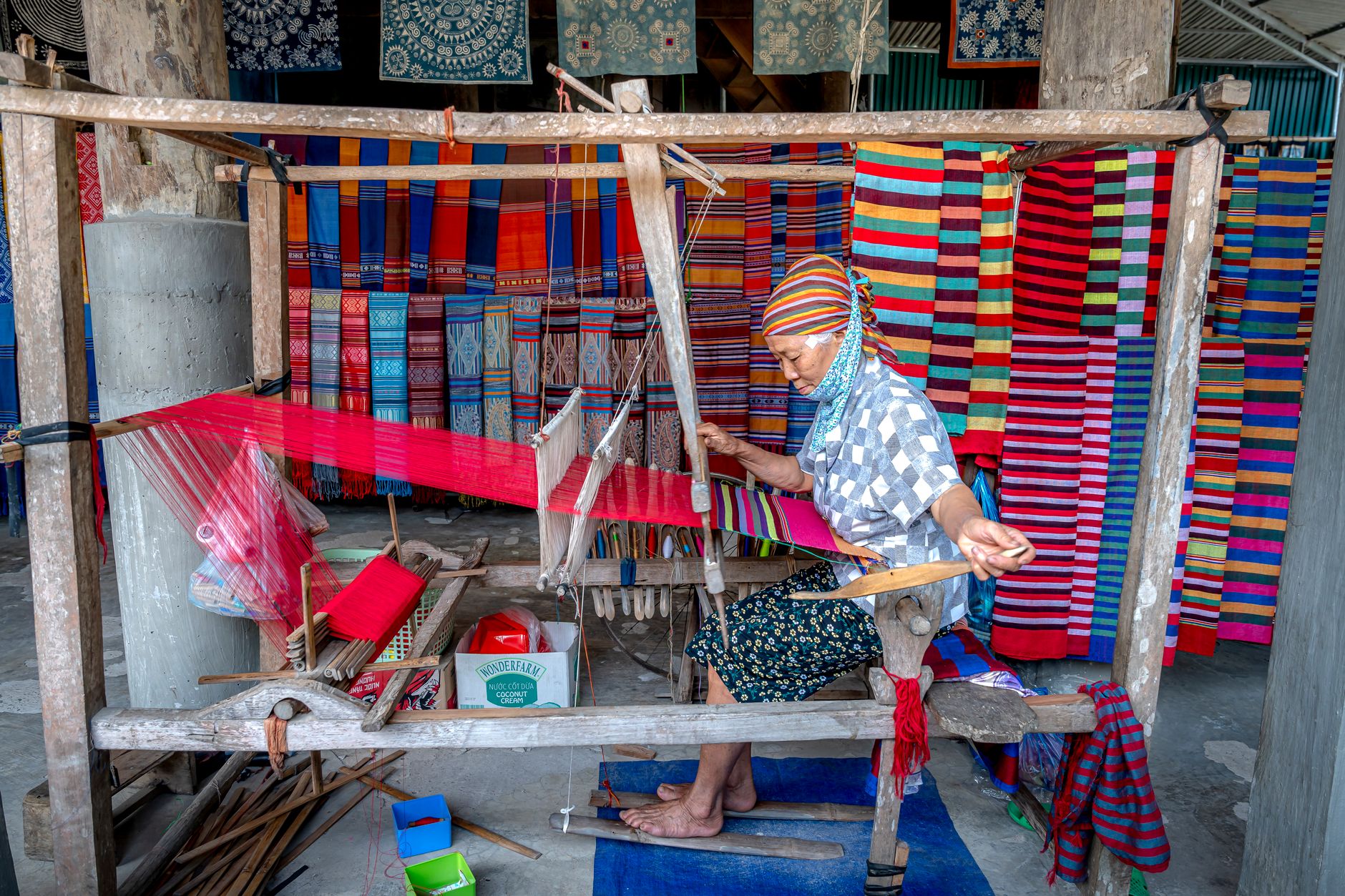
Beyond the molecular structure of fibers, the human hand imbues ethical fashion with its soul. The history of fine textiles is replete with generations of artisans, master weavers, and expert tailors whose knowledge is a priceless legacy. In 2026, truly ethical brands consciously preserve and promote these ancestral techniques, from natural dyeing processes to intricate hand-embroidery. This isn't merely aesthetic; it's a testament to slow production, fair labor practices, and cultural preservation. A strategic acquisition in this realm means investing in a narrative – a hand-knitted jumper made by an indigenous collective, or a meticulously tailored jacket using traditional Japanese Sashiko stitching. These items carry the imprimatur of human touch, often becoming heirlooms rather than ephemeral purchases. When considering a sale strategy, these handcrafted pieces retain their value exceptionally well due to their inherent artistry and limited production.
Related Read:
Essential Shopping Guides Tips You Need to Know| Focus/Style | Ideal For | Estimated Price | Editor's Rating |
|---|---|---|---|
| Regenerative Staples | Conscious Daily Wear | $180-$600 | 9.5/10 |
| Innovative Vegan Outerwear | Eco-Luxe Statement | $750-$2,800 | 9.5/10 |
| Heritage Linen & Hemp | Timeless Trans-Seasonal | $250-$850 | 9.5/10 |
| Artisanal Upcycled Denim | Unique Investment | $300-$900 | 9.5/10 |
The Weaver's Code: Precision and Provenance in Modern Ethical Production
The meticulous 'code' of an ethical brand dictates every step from concept to creation. It’s an intricate dance between design integrity, responsible sourcing, and transparent manufacturing. In 2026, leading ethical brands offer unparalleled transparency, often providing digital tracing of their supply chains, detailing the origin of materials, and verifying fair labor conditions. This level of provenance is not merely a marketing tactic; it's a commitment to quality control that impacts the garment's integrity and longevity. The precision in cutting, stitching, and finishing, often done in smaller batches by skilled artisans, results in garments that fit better, wear longer, and resist the rapid deterioration seen in mass-produced items. This intrinsic quality, born from ethical rigor, translates into significant long-term value for the astute investor.
The Strategic Wardrobe: Discerning Value in the Ethical Market's Momentum
For Victoria Sterling, a savvy sale strategy transcends mere discounts; it's about anticipating value and making informed investments. When approaching ethical clothing brands in 2026, consider timelessness over trendiness. Pieces crafted with exceptional materials and artisanal techniques are inherently designed for longevity. Look for classic silhouettes, versatile colors, and multi-functional designs that integrate seamlessly into an existing wardrobe. Sales on ethical items are often less frequent and less drastic than those in fast fashion, reflecting the true cost of their production. Therefore, a strategic approach involves identifying cornerstone pieces – a regenerative cashmere sweater, an organic linen dress, or a handcrafted leather tote – and being prepared to invest when the opportunity arises, knowing you are acquiring an item of enduring quality and minimal environmental footprint. This is not about impulse; it's about a curated evolution of personal style built on conscious, informed choices.
The 2026 Essential Edit: Top Vetted Picks
- 1. The Regenerative Cashmere Cardigan
The Value Proposition: Exceptional longevity, ethically sourced.This investment piece, crafted from cashmere sourced from regenerative farms, prioritizes animal welfare and land restoration. Its unparalleled softness and remarkable durability make it a multi-generational investment. The enduring design ensures timeless appeal, allowing it to transcend fleeting trends and significantly reduce environmental impact. - 2. Artisanal Organic Silk Scarf
The Value Proposition: Wearable art, sustainable legacy.Hand-dyed with natural pigments, this organic silk piece embodies centuries-old textile artistry. Its breathability, hypoallergenic properties, and zero-waste production methods justify its premium. Each scarf is a unique, wearable piece of art that retains its value and elegance far beyond seasonal fads, making it a truly astute acquisition.
FAQs: Navigating Ethical Luxury Investments
Q1: How can one genuinely distinguish truly ethical clothing brands from 'greenwashing' in 2026?
A1: Look beyond marketing slogans. Seek brands with clear, verifiable certifications (e.g., GOTS, Fair Trade, OEKO-TEX Standard 100), transparent supply chain disclosures, and third-party impact reports. Brands committed to true ethics will detail their material origins, manufacturing processes, and labor practices. Scrutinize their entire lifecycle commitment.
Q2: What is the optimal sale strategy for investing in high-end ethical fashion?
A2: Unlike fast fashion, ethical brands rarely offer steep discounts. The optimal strategy is to identify core pieces that align with your long-term style and monitor for infrequent seasonal sales or archive clearances. Prioritize investment in versatile, timeless items that will retain their value and utility for years, viewing each purchase as a deliberate, enduring acquisition.
Q3: Are ethical fashion pieces a genuine long-term investment, or merely a moral choice?
A3: Ethical fashion, particularly at the luxury tier, is a dual investment: a moral choice that yields tangible long-term returns. Superior materials, meticulous craftsmanship, and timeless design contribute to exceptional durability and aesthetic longevity. These pieces resist obsolescence, reducing your overall cost-per-wear and often holding resale value better than their fast-fashion counterparts, making them genuinely prudent financial and environmental investments.
Ready to elevate your lifestyle?
Explore our ultimate Shopping Guides editsCredits: The Women Shopping Editorial Team, Senior Editor Victoria Sterling (Reviewed by Editor-in-Chief David Jeon)


