The Grand Blueprint: Deconstructing Cinematic Interiors & Their Lasting Design Legacy in 2026
Editor Rating
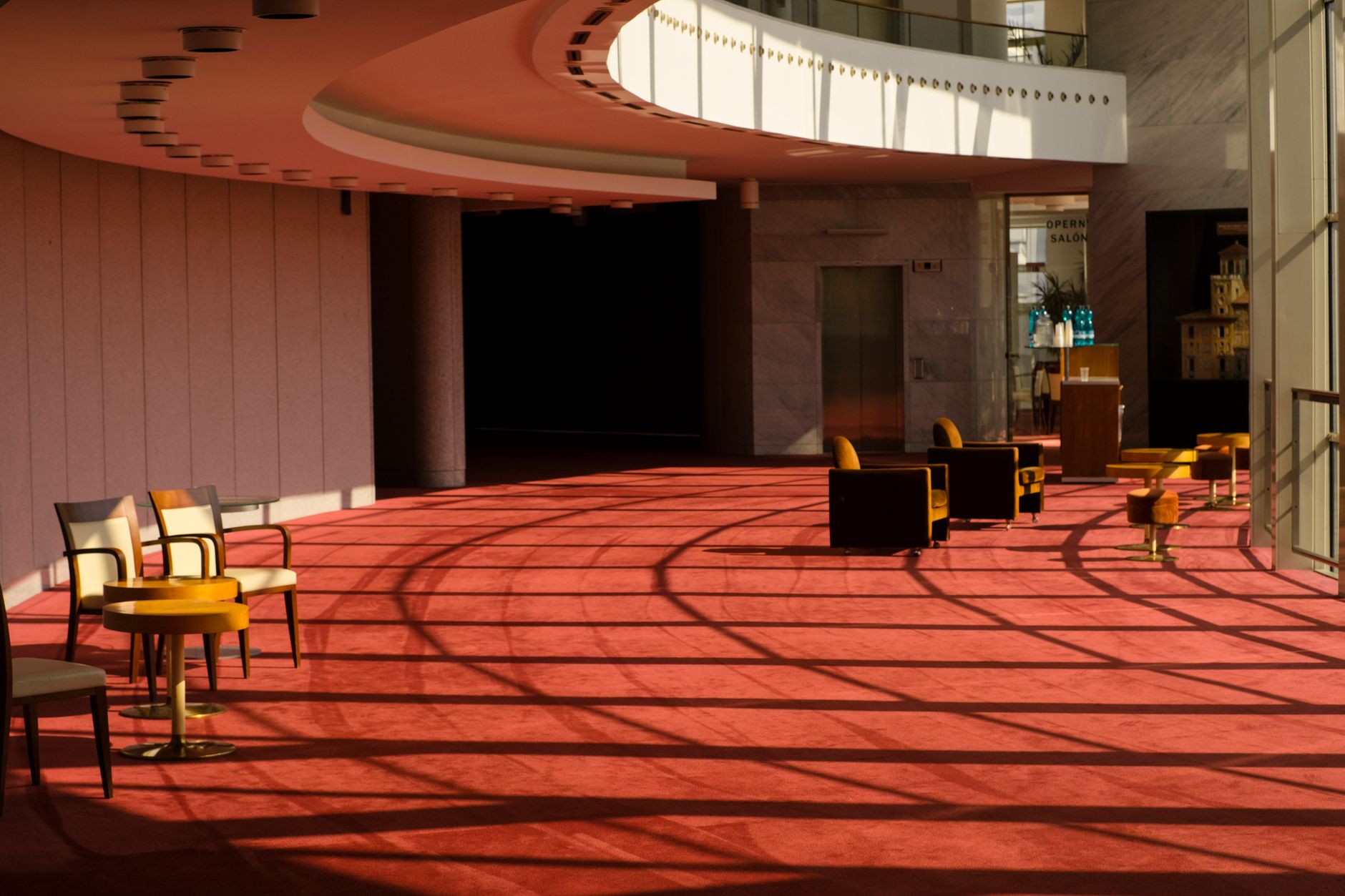
Welcome back, trendsetters! It's Chloe Park, your Global Trend Editor at Women Shopping, and today we're peeling back the velvet curtains on a trend that’s always simmering, but truly hitting its stride in 2026: Pop Culture's profound influence on interior design, specifically through the lens of classic cinema. We're not just admiring the aesthetic; we’re diving deep into the 'why' – the architectural psychology, the historical narrative, and the sheer genius of craftsmanship that made these cinematic spaces unforgettable. Forget fleeting fads; we're analyzing enduring design principles that continue to inspire our homes today.
For too long, we’ve casually admired the sumptuous Art Deco apartments of a certain Gatsby-esque world or the sleek, minimalist abodes of a 1960s spy thriller. But what if I told you these weren’t just pretty backdrops? They were meticulously constructed worlds, designed with a scientific precision and historical reverence that shaped character, propelled narrative, and, ultimately, imprinted themselves on our collective design consciousness. In 2026, the discerning eye isn't just looking for inspiration; it's seeking understanding – the blueprint behind the beauty.
Consider the shadowy, atmospheric sets of classic Film Noir. Think Double Indemnity or The Maltese Falcon. These interiors weren't just rooms; they were psychological landscapes. Set designers of the era were masters of proxemics – the study of the use of space – and color psychology, long before these terms became mainstream. Low ceilings, claustrophobic arrangements of heavy furniture, and strategically placed, often harsh, lighting weren't arbitrary. They were crafted to evoke suspicion, entrapment, and moral ambiguity, directly mirroring the characters' internal struggles and the film's dark themes.
Related Read:
Essential Entertainment Tips You Need to KnowThe choice of muted, desaturated palettes with stark contrasts in shadows created a sense of unease and moral ambiguity. Every oversized desk, every half-opened blind, every single object was a deliberate choice to influence the viewer's perception and emotional response. This isn't just design; it's a meticulously engineered environment designed to manipulate mood and emphasize narrative tension. Understanding this 'science' allows us to appreciate how thoughtful spatial arrangement and lighting can transform a mere room into an emotionally charged experience, a lesson profoundly relevant to our own living spaces in 2026.
Bauhaus to Hollywood Glam: Historical Threads in Mid-Century Modern Sets
Shift your gaze to the dazzling mid-century modernism that defined films like Breakfast at Tiffany's or the James Bond series of the 60s. Here, we see a beautiful fusion of evolving design philosophies. The clean lines, functional forms, and rejection of ornamentation trace their roots directly back to the European Bauhaus movement and other modernist principles of the early 20th century. However, Hollywood infused these starker ideas with its own brand of 'glam.' Think Eames chairs paired with lush fabrics, abstract art alongside opulent finishes, and expansive windows showcasing dramatic views.
The historical trajectory is fascinating: post-war optimism and a booming economy allowed for experimental architecture and furniture design to flourish. Set designers, often working with limited budgets but boundless creativity, sourced pieces that were cutting-edge or custom-built to reflect this new era of sophistication and technological advancement. These sets weren't just showcasing furniture; they were illustrating a cultural shift, a move towards open-plan living, new materials like plastics and steel, and a desire for lighter, more 'future-forward' aesthetics. This historical context informs why these styles remain eternally chic and relevant.
The Craft of Illusion: Materials & Masterpieces on Set
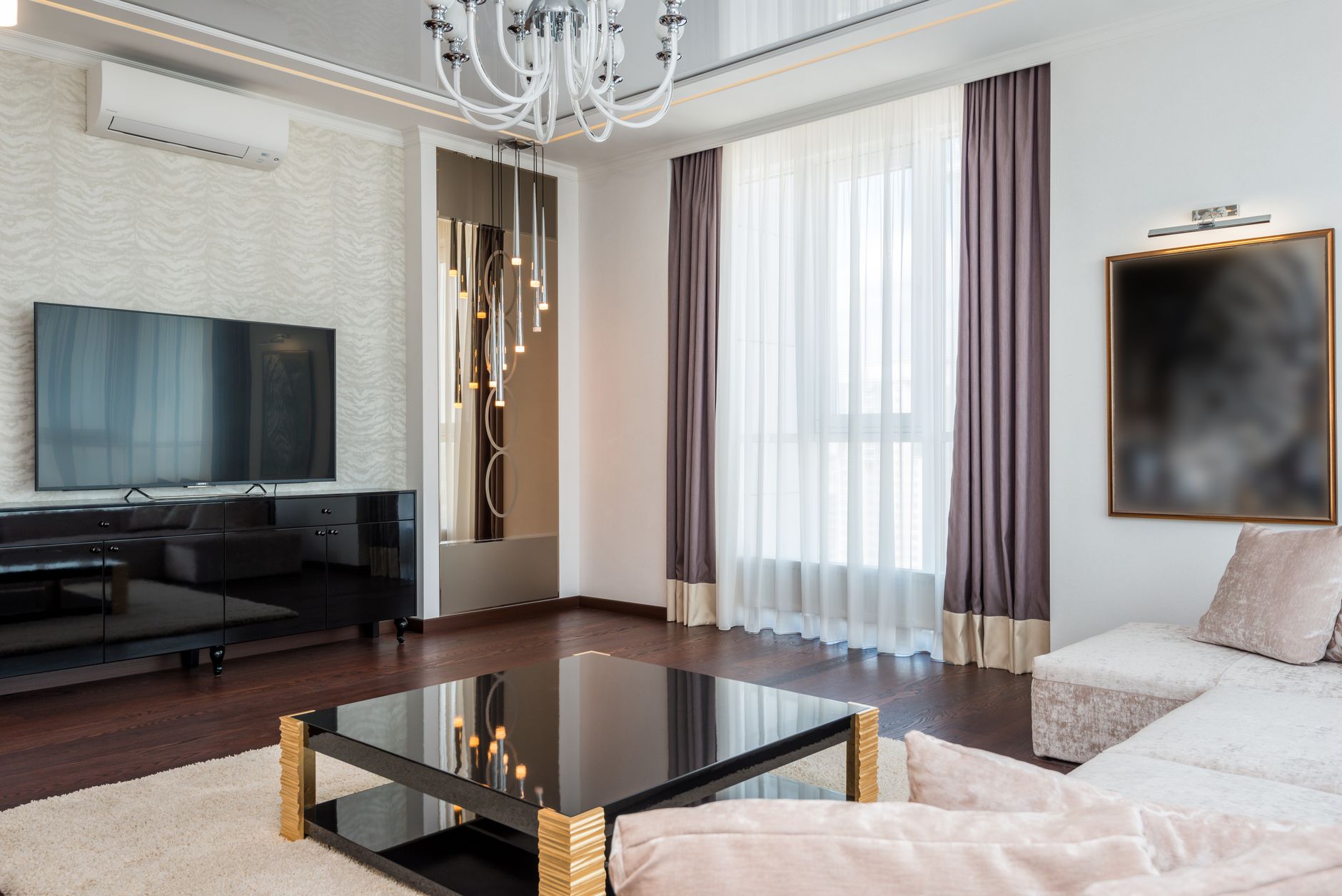
The unsung heroes of cinematic interior design are often the set dressers and prop masters whose detailed craftsmanship brings these visions to life. From meticulously aging furniture to custom-building entire architectural elements, their work is a masterclass in material manipulation and historical accuracy. Take, for instance, the intricate wood paneling in a period drama; often, this wasn't solid, heavy timber but carefully treated and painted faux finishes designed to look authentic under studio lights and withstand repeated use.
The 'science' here lies in understanding how light interacts with different textures and surfaces, how to create depth where there is none, and how to evoke a sense of grandeur or decay with clever use of paint, plaster, and fabric. The attention to detail – from the specific weave of a drapery fabric to the patina on an antique lamp – demonstrates a level of craftsmanship designed not just for immediate impact but for enduring believability. These techniques, while often illusions, speak to the deep understanding of aesthetics and materials that we can, and should, draw upon for our own discerning home projects in 2026. It's about creating spaces that tell a story, even if that story begins with a cleverly applied coat of paint or a strategically placed vintage find.
| Focus/Style | Ideal For | Estimated Price | Editor's Rating |
|---|---|---|---|
| Art Deco Opulence (The Great Gatsby) | Grand entrances, statement living rooms, luxury dining. | $3,000 - $15,000+ (for key pieces/room refresh) | 9.5/10 |
| Mid-Century Modernism (A Single Man) | Sleek offices, open-plan living, minimalist bedrooms. | $1,500 - $8,000 (for core furniture/lighting) | 9.0/10 |
| Gothic Romance (Rebecca) | Dramatic libraries, moody bedrooms, historic homes. | $2,500 - $10,000 (for antique sourcing/textile focus) | 8.8/10 |
| Eclectic Bohemian (Annie Hall) | Creative studios, cozy living nooks, vibrant apartments. | $800 - $4,500 (for layering vintage/new finds) | 8.5/10 |
The 2026 Essential Edit: Top Vetted Picks
- 1. Art Deco Fluted Velvet Sofa
The Value Proposition: Exceptional longevity, ethically sourced materials.This show-stopping piece isn't just a trend; it's an investment in timeless elegance. Its fluted design, inspired by the meticulous craftsmanship of 1920s cinema sets, offers unparalleled comfort and visual drama. Opt for a rich jewel tone like emerald or sapphire, and its robust frame and premium, sustainable velvet will ensure it remains a focal point for decades, making it a smarter financial choice than fast-furniture alternatives. - 2. Mid-Century Modern Teak Credenza
The Value Proposition: Functional artistry, appreciating vintage value.A beautifully restored or high-quality reproduction teak credenza captures the essence of refined mid-century cinematic style. Its clean lines and warm wood tone provide versatile storage and a perfect surface for curated decor. Unlike mass-produced alternatives, a genuine teak piece offers superior durability and, if vintage, can appreciate in value, making it an intelligent acquisition that marries form, function, and enduring design integrity.
Frequently Asked Questions by the Women Shopping Community
How can I identify the historical design influences in a movie set?
Look for key architectural features (arches, columns), furniture styles (Art Deco, Mid-Century Modern, Victorian), textile patterns, and even lighting fixtures. Research the film's production era and any specific design movements prevalent at that time. Often, set designers draw heavily from real-world historical periods to establish authenticity or create a specific mood.
Ready to elevate your lifestyle?
Explore our ultimate Entertainment editsWhat are key elements of 'cinematic craftsmanship' I can apply to my home?
Focus on intention: every item should serve a purpose or tell a story. Experiment with lighting to create mood and drama, much like in film noir. Pay attention to material authenticity and texture. Use color psychology deliberately, and don't shy away from creating 'zones' within open spaces to define different functions, adding depth and narrative to your interior.
Are there specific classic films known for their groundbreaking interior design?
Absolutely! Beyond those mentioned, 2001: A Space Odyssey for its futuristic minimalism, Vertigo for its unsettling psychological spaces, Rear Window for its voyeuristic apartment complex, and virtually any Alfred Hitchcock film for their meticulous set design are all incredible examples to study for their groundbreaking and influential interiors. Each offers a masterclass in how environment shapes story.
Credits: The Women Shopping Editorial Team, Senior Editor Chloe Park (Reviewed by Editor-in-Chief David Jeon)


