How to Organize a Cozy Home Without Adding Clutter

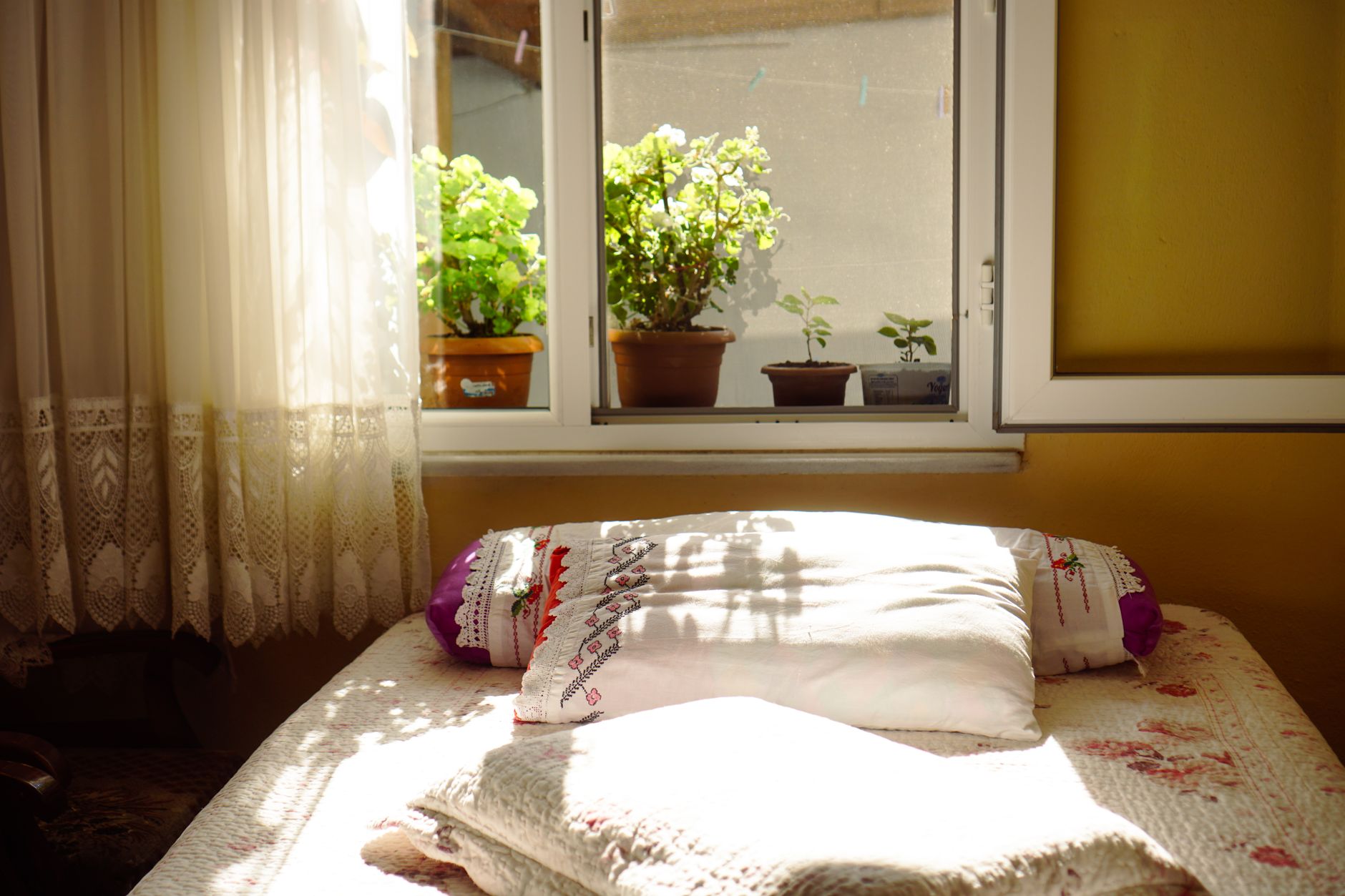
A comfortable home does not require buying matching containers or removing everything personal. Start by reducing friction in one frequently used area, then add warmth with items you already own.
Define the activity before the storage
Choose one zone—entry, bedside, desk, kitchen counter, or seating area—and list what happens there. Keep only the items needed for that activity within easy reach. Move unrelated objects to their actual point of use.
Use a simple sorting pass
- Keep here: used in this zone and easy to return.
- Move: useful, but belongs elsewhere.
- Repair or decide: give it a specific deadline rather than creating a permanent pile.
- Donate, recycle, or discard: use local rules and do not donate unsafe or unusable items.
Try existing storage first
Use a drawer, shelf, tray, or box already available for two weeks before purchasing organizers. Measure the space and contents if a new container is still needed. Concealed storage can reduce visual noise, while open storage works best for a small group of frequently used items.
Add comfort without blocking function
Improve task lighting, reposition a lamp, display one meaningful object, or rotate existing textiles. Keep walking paths, doors, vents, heaters, electrical panels, and smoke or carbon-monoxide alarms unobstructed. Follow product warnings for candles, diffusers, cords, and heat sources.
Maintain with a reset point
Attach a five-minute reset to an existing routine and include a small temporary inbox for objects that need to leave the room. If possessions create a serious safety, sanitation, or mobility problem, ordinary decorating advice may not be enough; seek appropriate local support.
Audit one room by activity and obstruction
A cozy room still needs safe movement, usable surfaces, and access to everyday items. Start with behavior and remove friction before buying containers.
| Check | What to verify |
|---|---|
| Activity zone | Name what actually happens in each area. |
| Clear path | Protect doors, exits, walkways, vents, and needed access. |
| Surface load | Reserve working surfaces for the activity they support. |
| Storage frequency | Keep daily items easier to reach than occasional items. |
| Atmosphere | Adjust lighting and textiles only after function is stable. |
A practical self-test before spending
- Photograph the room during ordinary use, not after tidying.
- Move objects that repeatedly land in the wrong place to a closer home.
- Remove one unused container before purchasing another.
- Test the layout for a week and note where clutter returns.
Frequently asked questions
Do matching containers make a room organized?
Not necessarily. Containers can hide excess or create extra steps if placement does not match behavior.
How can a rental feel cozier?
Use reversible lighting, textiles, and arrangements while keeping safety and lease requirements in mind.
Where should I begin?
Start with the path and surface that create the most daily friction.
Editorial method
The audit prioritizes access, reuse, and safe movement before aesthetic purchases. Substantively reviewed August 14, 2026.
More practical guides
Sources and review notes
Reviewed August 13, 2026. Recommendations should be adapted for children, pets, disability, rental rules, and local safety requirements.


