A Simple Skin-Care Routine for Long Flights

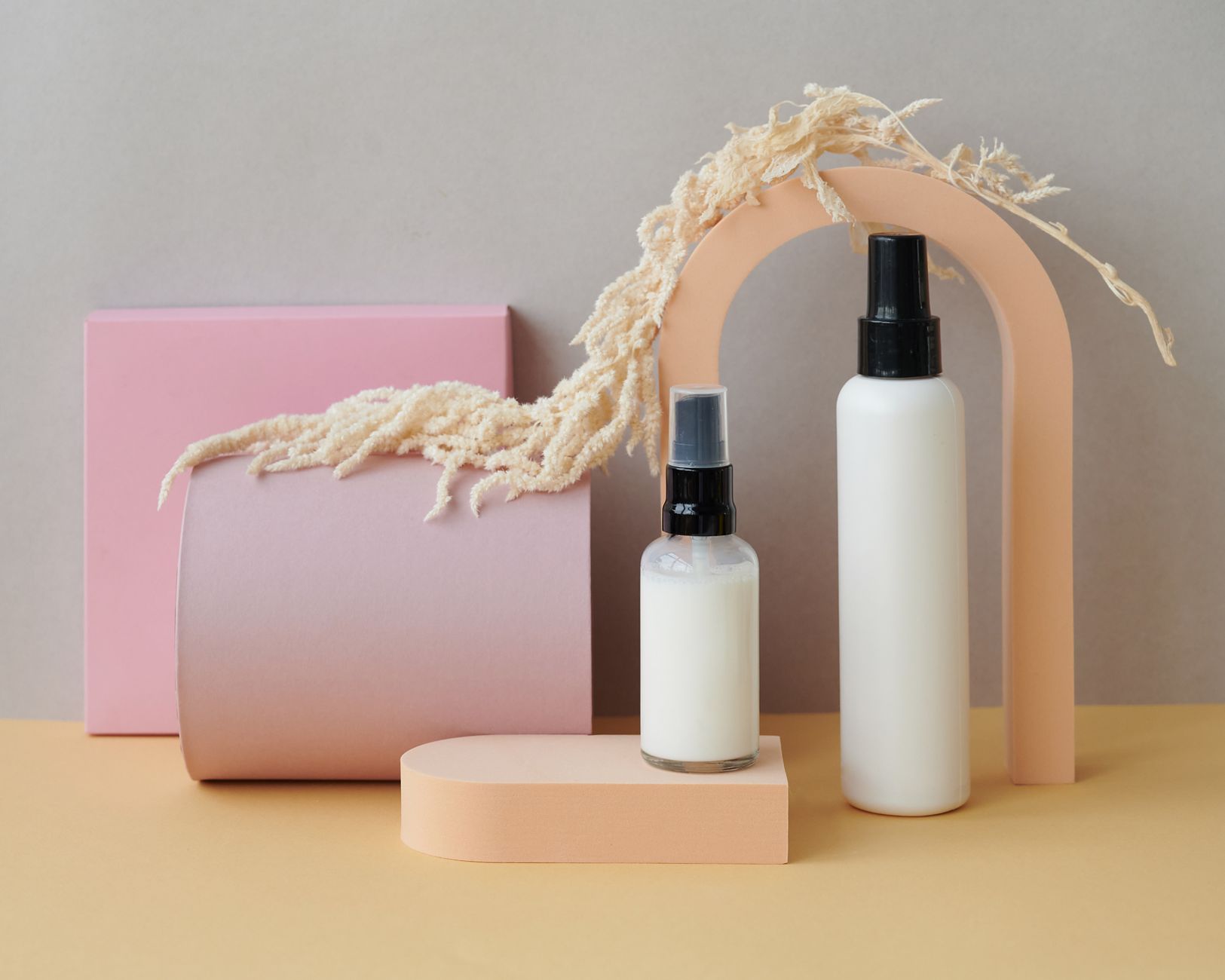
Cabin air can feel dry, but a long flight does not require a multi-step facial or repeated product layering. Familiar, non-irritating products and a simple plan are easier to use in a shared cabin.
Before the flight
- Cleanse gently if needed; avoid a new peel, scrub, or other irritating treatment immediately before travel.
- Apply a moisturizer that already works for your skin.
- Use broad-spectrum, water-resistant SPF 30 or higher on exposed skin when sun exposure is expected, and follow the label for reapplication.
Pack only the useful basics
- Moisturizer in a compliant container
- Lip balm
- Sunscreen if needed during the journey or on arrival
- Any medically necessary skin treatment in its labeled packaging
For U.S. screening, TSA’s 3-1-1 rule generally limits carry-on liquids, gels, creams, aerosols, and pastes to containers of 3.4 ounces or less inside one quart-size bag. Medically necessary items have separate provisions; check current rules and other countries’ requirements before departure.
During the flight
Reapply moisturizer when skin feels dry. Avoid touching the face with unwashed hands or using shared cabin water to perform an elaborate routine. A face mist may feel refreshing but does not replace moisturizer, and more product is not automatically better.
After landing
Return to the usual routine rather than trying several recovery products at once. Stop a product if it causes persistent burning, swelling, hives, or a worsening rash. Seek appropriate medical care for a serious reaction or persistent skin problem.
Pack a routine that works in an aircraft seat
A long-flight routine should be familiar, compact, and possible without turning the seat area into a bathroom counter. Cabin comfort does not require multiple new products.
| Check | What to verify |
|---|---|
| Before departure | Apply familiar moisturizer and sun protection as appropriate. |
| Carry-on rules | Check current rules with the airport and operating carrier. |
| Hygiene | Use clean hands and avoid touching the face unnecessarily. |
| Product familiarity | Do not test a new active or treatment during travel. |
| Arrival plan | Pack what is needed for cleansing, moisturizing, and the next outdoor exposure. |
A practical self-test before spending
- Decant or select compliant sizes only when labels and hygiene can be maintained.
- Practice the routine at home using only the packed items.
- Remove masks, sprays, and tools that require awkward handling or shared-space disruption.
- Keep essential medication separate and follow medical and transport guidance.
Frequently asked questions
Does cabin air require a sheet mask?
No. A familiar moisturizer may be simpler; masks can irritate and create handling waste.
Should I mist repeatedly?
A mist alone may not retain moisture and can bother nearby passengers.
When should sunscreen be reapplied?
Follow the label and consider exposure during travel and after arrival.
Editorial method
The guide prioritizes familiar products, transport compliance, hygiene, and passenger context rather than an elaborate in-flight ritual. Substantively reviewed August 14, 2026.
More practical guides
Sources and review notes
Reviewed August 13, 2026. This is general skin-care and packing information, not medical advice.